Man With Van Whetstone

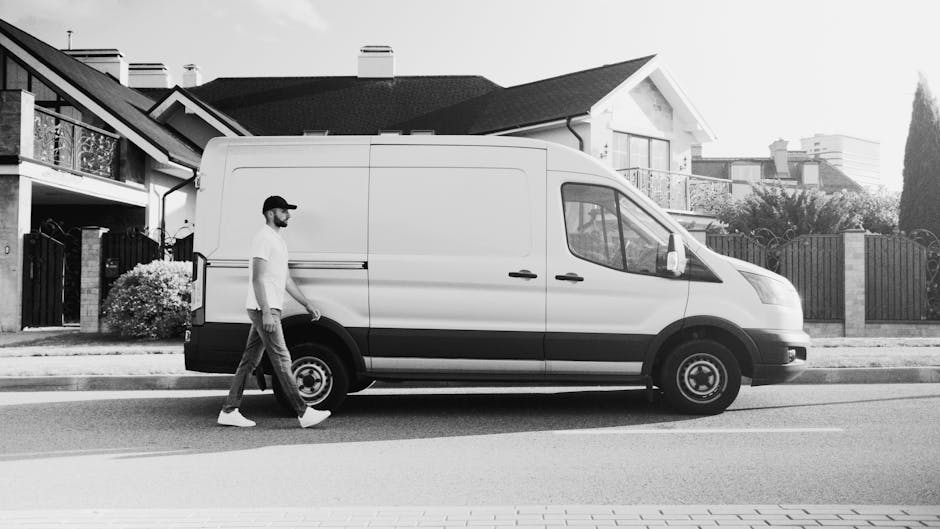
Man With Van Whetstone offers a practical man and van service in Whetstone for household, student and light commercial moves that need careful handling rather than a full-scale removals operation. It is a flexible way to move a few items, a single room, the contents of a flat or selected furniture from one address to another. The focus is on sensible loading, safe transport and straightforward support so your move can be handled with less disruption and without unnecessary complexity.
We help with jobs that suit a smaller vehicle and a focused team, including piece-by-piece transport, collection from shops or storage and deliveries that need more than a standard parcel courier. For customers comparing options, the service sits between a basic van hire approach and a larger removals package, giving you a more guided move while keeping the scope proportionate to the load. That balance can be useful when access is tight, timing matters or you simply want experienced help with the lifting.
When you are planning a move, it helps to think in terms of what needs to travel, how it is packed and where it will be delivered. Clear item lists, floor levels and access details make it easier to understand the work involved, while photographs can help with awkward furniture or bulky pieces. If you are ready to compare options, ask for a quotation and share the basic move details in one go so the service can be matched to the task.
Household moving support

House moves handled with a van service often involve a mix of furniture, boxes, white goods and personal items rather than a whole property packed into one lorry. That makes planning important. A good approach is to separate what must travel, what can be dismantled and what may need protective wrapping. For many customers, this is the point where a focused moving service feels more manageable than trying to coordinate several separate transport arrangements.
Within the household side of the work, we can support single-item transport, small flat moves and furniture transfer between homes, including items being moved from a hallway, spare room, loft or storage location. If you need a more direct house-moving option, the more specific home moves page gives a clearer sense of that type of job. For larger domestic tasks, house removals and house movers are also useful references when you are deciding how much help is appropriate.
One of the advantages of a man and van arrangement is its adaptability. It can suit customers who want help with a single bulky sofa, a bed frame, a dining table or several boxes that would be awkward in a car. It can also be useful for moves that are split over more than one journey, provided the scope remains within the practical capacity of the service. If you are not sure how to classify the move, keep the description simple and ask for a quotation based on the actual items rather than a rough guess.
Furniture collection and transport

Furniture collection is often about timing and care as much as the journey itself. A service like this can be helpful when you are buying pieces from a retailer, arranging a private sale, picking up a bed from storage or moving furniture between family homes. The main considerations are size, access and whether items need disassembly before they can be lifted safely. For heavier or awkward pieces, planning the route from pickup point to van can reduce delays and protect the item from avoidable knocks.
Our furniture pick-up work is relevant where the item is too large or too awkward for a standard car but does not justify a full removals crew. If you are only moving one or two items, the dedicated furniture pick-up page is a useful place to compare that type of collection with broader moving support. For customers who need vehicle-only transport, pages such as moving van and removal van indicate the kind of transport solution often used for these collections.
Good furniture transport usually depends on more than simply placing items in the back of a van. Blankets, straps and sensible loading order matter, especially when a table, wardrobe or cabinet is going with other household goods. It also helps to think about whether the item needs to be delivered inside a property, left at the kerb or carried to a specific room. A clear plan keeps the move efficient and reduces the chance of confusion at collection or delivery.
Packing, access and move preparation

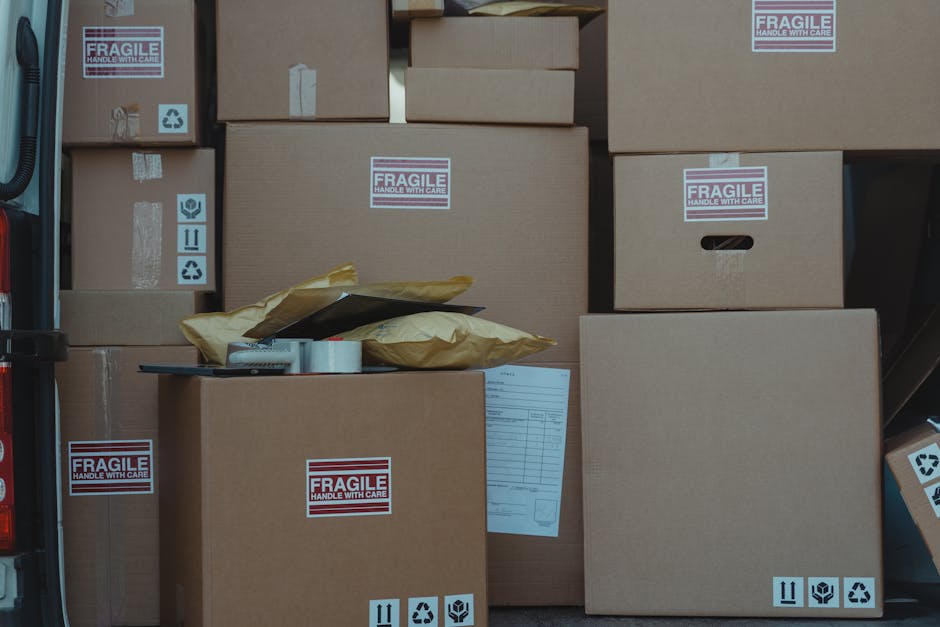
Preparation does not need to be complicated, but it should be practical. The main aim is to make the loading process smooth, protect breakable items and avoid delays at either end of the journey. If you are organising your own boxes, use sturdy containers, close them securely and separate fragile contents from heavier items. Where possible, keep the items that must be loaded last easy to reach, and make sure routes through the property are clear enough for safe carrying.
Support can also extend to packing and unpacking assistance, which is particularly useful for customers who are short of time or who would rather not manage every stage alone. The packing and unpacking services page outlines that kind of help in more detail. In many cases, the decision comes down to whether you need only transport or whether you would benefit from extra help with boxing, wrapping and settling items at the other end of the move.
Access details are worth noting because they affect the work in a very direct way. Steep steps, narrow halls, permit zones, limited parking and upper-floor deliveries all shape how a move is carried out. If there are especially heavy items, mention them clearly so the loading plan can be sensible from the outset. For a straightforward quotation, give the address type, item list and timing window rather than waiting until the day of the move to explain the difficult parts.
Commercial and office moves
Not every move is domestic. A man with van service can also help with smaller commercial jobs, such as taking office furniture, stock, boxed equipment or archive material between premises. The benefit here is the mix of transport and practical lifting without the scale of a full commercial removals operation. For businesses, the main goal is usually to keep disruption low while moving the items that genuinely need to travel, whether that means a few desks or a carefully organised selection of supplies.
If you are looking at business relocation, the broader commercial moves and office relocation services pages help separate workplace moves from household transport. Where the job is focused on desks, chairs, files or IT peripherals, office removals is another relevant option. These pages are useful when you need a clearer idea of how the move can be structured around working hours, access restrictions or staged transport.
For office work, it is usually sensible to group items by department, room or priority so the unloading order makes sense at the destination. That can be as simple as labelling boxes clearly and identifying which items need to be set down first. If certain pieces require dismantling, measuring doorways or stairwells in advance can save time later. A concise, accurate outline is the best starting point for a quotation because it gives a realistic view of the task.
Service choices and practical scope

The phrase man and van covers a useful middle ground in the moving market, but the right choice depends on the size and shape of the job. Some customers need help with a single delivery, while others want a small house move, collection from storage or mixed items going to different places. The service should match the practical workload, which is why clear descriptions of the items, building access and destination details are so valuable when planning.
Related pages such as man and van, man and van removals and man with van can help you compare closely related moving options on the site. If you are deciding between a removals company and a smaller moving vehicle, the pages for removal company and removal services may also be useful. They are especially relevant when you want to understand the difference between broad moving support and a lighter transport-only arrangement.
In practice, the best option often depends on how much help you want with the lifting and how much is being moved. Some jobs are mostly about transport; others need a broader hand with loading, carrying and arranging items on arrival. A clear plan, a concise inventory and simple instructions about access are enough to begin. If that sounds like the support you need, request a quotation and describe the move in plain terms.
About Whetstone
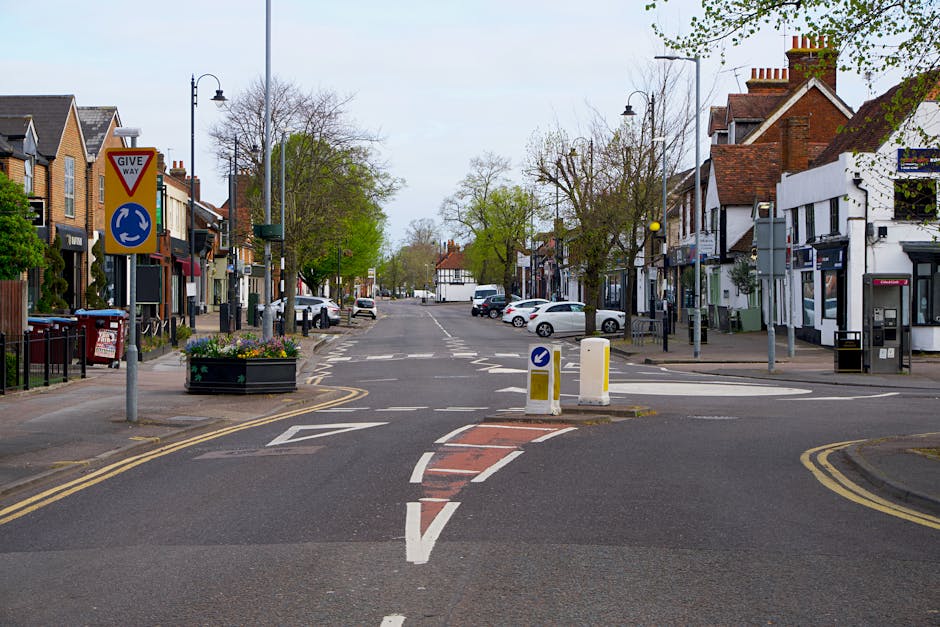
Whetstone is a residential area in the London Borough of Barnet, in north London, with a long history shaped by its position on the route north out of the capital. The name is associated with a former settlement around a landmark stone, and the area developed over time from a rural stopping point into a suburban district with shops, homes and transport links. Its main thoroughfare, High Road, carries much of the local activity and reflects the way the area has grown around older road patterns. The district sits close to several neighbouring parts of north London, yet it keeps a distinct character through its mix of local services, houses and green spaces. One of the best-known nearby open spaces is Totteridge Fields, while the wider locality includes small streets, older buildings and modern housing that give the area a varied appearance. Like much of Barnet, Whetstone combines everyday convenience with traces of earlier settlement, and that blend is visible in the balance between residential roads, commercial frontage and the surrounding suburban landscape.
Transport, loading and careful handling
A reliable move depends on how items are loaded as much as where they are going. Heavier pieces should be positioned to stay secure, with lighter and more delicate belongings kept away from pressure points. The work is not just about carrying; it also involves making sensible decisions about order, balance and protection. For customers moving mixed goods, the aim is to keep the journey efficient while reducing the chance of damage during transit.
Useful support often includes checking whether furniture can remain assembled, whether mirrors or glass need extra wrapping and whether mattresses or soft furnishings should be protected from dirt or moisture. Where a load includes several categories of item, the transport plan should reflect the most awkward pieces first. That can prevent last-minute rearranging and keeps the van use efficient. When in doubt, it is better to note the more awkward items separately rather than bury them in a long general description.
There are practical limits to any smaller moving service, and the right fit depends on total volume, weight and access. If a move starts to involve multiple rooms of furniture, specialist handling or a very large number of boxes, a broader removals arrangement may be more appropriate. The useful decision is not about choosing the biggest option by default, but about matching the service to the real work involved. That keeps the move clearer, safer and easier to schedule.
Getting a quotation and arranging the move
For a quotation, it helps to send a short summary that covers the collection point, delivery point, the main items and any practical complications such as stairs, parking restrictions or tight access. If the move involves separate parts, list them in order of importance so the work can be understood at a glance. The more precise the outline, the easier it is to compare the job with the right kind of transport and lifting support.
It can also help to mention if items are already boxed, if dismantling is needed or if the move has a preferred time window. That is often enough to shape the job properly without turning it into an elaborate planning exercise. Simple, accurate information tends to produce a more useful response than general estimates. If you are ready to move ahead, ask for a quotation and keep the description focused on the actual items and access.
For customers who want to review related policies before booking, the site also includes pages such as pricing and quotes, insurance and safety and health and safety policy. Those pages are helpful when you want to understand how the business presents cost information and practical safeguards. After that, the next step is straightforward: send the details, confirm what needs moving and request a quotation.
Extra support and moving resources
Some customers need more than transport alone. In that case, the broader moving pages can help you compare the available scope and choose the most suitable option for the job. The moving truck, moving van and removals van pages are relevant if you are trying to judge how the vehicle-based side of the move is presented, while removals near me can help when you are simply looking for the broader service category.
Other useful pages, including about us, recycling and sustainability and payment and security, sit alongside the service pages and give a fuller picture of how the business is organised. They are not needed for every enquiry, but they can be useful if you are reviewing the wider practicalities of a move or wanting to understand how the service is framed before you proceed. Having those details in one place can make comparison quicker and simpler.
When you are ready, keep the final step simple: check the item list, note any access issues and request a quotation. That is usually enough to move from planning to an arranged collection or delivery without unnecessary back-and-forth. If your move is straightforward, a concise message can be all that is needed to get started.