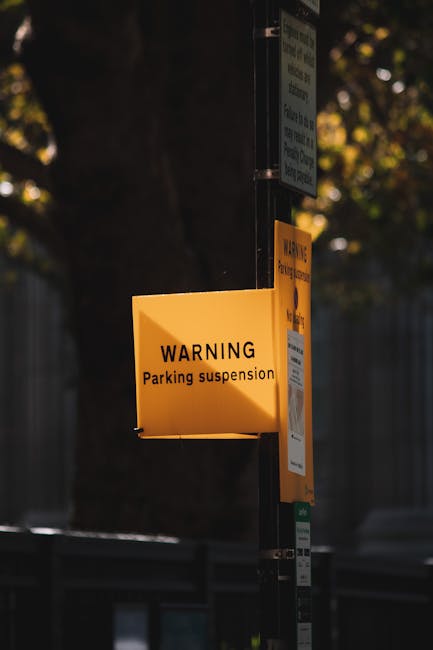
Barnet Council parking suspensions for Whetstone moves (N20)
Posted on 06/07/2026
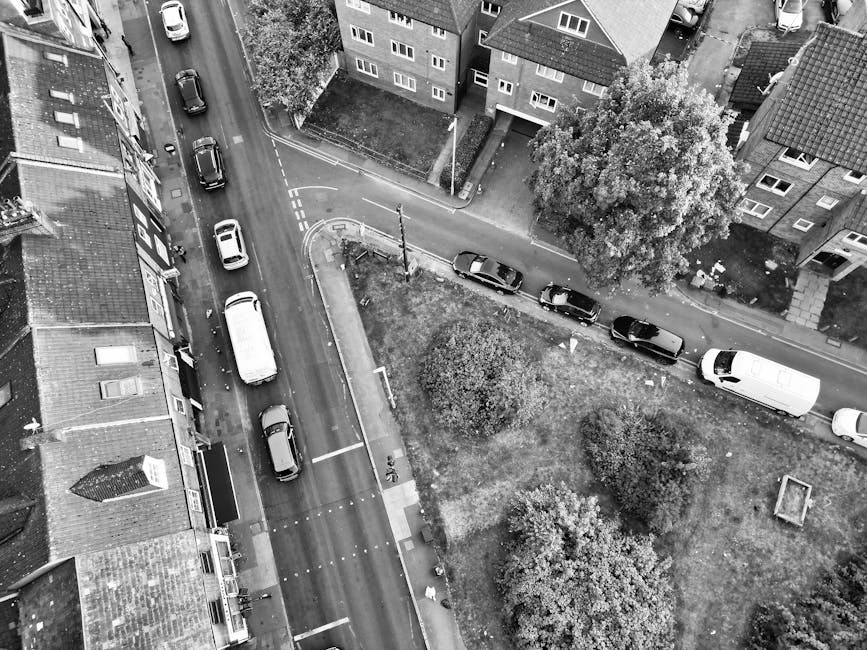
If you are moving in Whetstone, parking can become the make-or-break detail you only notice too late. A van outside the property sounds simple enough, until a neighbour's car is in the way, the street is tight, or you realise the loading bay is already full. That is where Barnet Council parking suspensions for Whetstone moves (N20) come in. Done properly, they can give your removal vehicle the space it needs, reduce stress on the day, and help you avoid that awkward mid-move shuffle with boxes on the pavement.
This guide explains what parking suspensions are, how they usually work in a local moving context, when they make sense, and how to plan around them without unnecessary drama. It also covers mistakes people make, best-practice steps, and a practical checklist you can actually use. Let's face it: nobody wants a moving day that starts with a parking ticket and ends with a sore back.
- Why it matters
- How parking suspensions work
- Key benefits
- Who needs this and when
- Step-by-step guidance
- Expert tips
- Common mistakes
- Tools, resources and recommendations
- Compliance and best practice
- Options and comparison
- Real-world example
- Practical checklist
- Conclusion
- Frequently asked questions
Why Barnet Council parking suspensions for Whetstone moves (N20) Matters
Parking may sound like a small admin task, but in a place like Whetstone it can shape the whole moving experience. Narrow residential roads, shared bays, permit-controlled streets, and commuter traffic all make loading and unloading trickier than it looks on paper. If the removal van cannot stop near the entrance, everything takes longer. Sometimes much longer.
A parking suspension can reserve a section of street so the van can park close to the property for a set period. For a home move, that can mean faster carrying distances, fewer knocks and scrapes, and less strain on the team. For you, it can mean the difference between a steady, well-paced move and a day full of unnecessary stops and starts.
It is also a trust issue. People often budget for the van, boxes, and labour, then forget about access. In practice, access is what decides whether the job runs cleanly. A good plan usually starts with the outside space first, then works backwards to the sofa, the bed, and everything else. If you are still in the decluttering stage, it helps to read strategic decluttering tips for a smoother move before the big day.
There is another reason this matters: delays can snowball. A van parked too far away may need more time. More time can affect building access windows, lift bookings, loading slots, and even neighbour goodwill. And in moving, goodwill is surprisingly valuable.
How Barnet Council parking suspensions for Whetstone moves (N20) Works
In plain English, a parking suspension temporarily removes normal parking availability from a bay or stretch of road so that a specific activity can take place. For a house move, that activity is usually loading or unloading household goods. The practical result is a clear space close to your property, which the removal team can use during the agreed window.
The details vary depending on the street and location, but the moving-day logic is the same: identify the space you need, request the suspension in good time, and make sure the suspension conditions fit the vehicle and the job. Some streets need only a small section suspended. Others need more careful planning because of multiple bays, traffic flow, or local restrictions. To be fair, a lot of the trouble comes from assuming every street will behave the same way. They do not.
Here is the general flow most movers should expect:
- Check the street and the exact loading point near the property.
- Work out the size of the vehicle and the time needed for loading or unloading.
- Allow enough lead time for the request to be processed.
- Confirm any signage, bay lengths, or timing conditions that apply.
- Tell the removal team what has been arranged so the arrival plan matches the parking plan.
That last step matters more than people think. A suspension that exists on paper but is not aligned with the crew's arrival time is not much use. If you want a fuller picture of moving times, access windows, and local timing pressures, this local guide on N20 removals timings and costs for Whetstone moves is a helpful companion read.
One small but important clarification: a parking suspension is not the same thing as a private driveway reservation. It also is not a guarantee that every obstruction disappears. You still need to think about access, kerb height, neighbour parking, and whether the van can safely manoeuvre once it arrives. The suspension gives you better odds. It does not do the lifting for you. Shame, really.
Key Benefits and Practical Advantages
The biggest benefit is obvious: easier access. But the real value goes deeper than simply having a place to park.
- Shorter carrying distance: Less time walking heavy items to the van means less fatigue and a lower risk of damage.
- Smoother timing: A van near the property keeps the loading rhythm steady, which is especially useful when keys, lift bookings, or parking windows are tight.
- Reduced risk of damage: Furniture is less likely to get scratched or bumped if it is not being carried an extra fifty metres down the road.
- Better safety: Fewer trips across traffic or uneven pavements help protect both the crew and your belongings.
- More predictable costs: A move that flows well is less likely to overrun, especially if your moving quote is based on time or access conditions.
There is also a mental benefit. Moving day already comes with enough noise, smell, and half-packed chaos. When the parking side is sorted, the rest of the day feels more controllable. You notice it in the tone of the job: fewer rushed calls, fewer "just one more minute" delays, less shuffling back and forth with wardrobes or white goods.
If you are packing now, the right prep makes the suspension even more valuable. This ultimate packing guide for a hasslefree move is worth a look if you want the contents of each box to make sense on arrival, not three weeks later when you are hunting for the kettle lead.
| Approach | What it helps with | Main downside | Best for |
|---|---|---|---|
| No parking planning | Nothing specific | Risk of delays, longer carries, awkward unloading | Only very easy-access moves |
| Informal street parking | Quick local jobs | Uncertain availability and possible obstruction | Low-pressure moves with flexible timing |
| Parking suspension | Clear access, shorter carry distances | Needs planning and sometimes fees or lead time | Most London moves with limited street space |
Who This Is For and When It Makes Sense
Parking suspensions are not just for large house moves. They make sense anywhere the vehicle needs reliable close access and the street is not easily forgiving.
You will usually want to consider one if you are:
- moving from a terraced house or a flat on a busier N20 street;
- handling furniture that is heavy, bulky, or awkward to carry;
- moving during peak daytime traffic when roadside space is likely to be taken;
- working to a limited building or key collection window;
- moving with children, pets, or elderly relatives who need a calmer setup;
- booking a removal team that needs straightforward van access to keep the job efficient.
This can be especially relevant for flat moves. If your building sits a little way back from the road, or if the access route involves communal paths and stairwells, you may want to compare the street situation with the building layout. Our flat removals Whetstone service page covers the sort of access issues that often decide whether a suspension is simply helpful or absolutely worth arranging.
Office moves can also benefit, particularly when computers, filing, and furniture need to be loaded quickly with minimum disruption. For that sort of job, the logistics can get fiddly fast, so the parking plan should be one of the first things discussed. If that sounds familiar, you may also find the local office removals Whetstone page useful.
And for students? Smaller loads may not always need a suspension, but if you are moving out on a Saturday, with a half-sized van and a building entrance that shares space with a dozen other residents, it can still be a wise move. Not glamorous, but wise.
Step-by-Step Guidance
Here is the practical way to handle Barnet Council parking suspensions for Whetstone moves (N20) without losing half a day to guesswork.
- Confirm the exact move date and time. Be specific. A vague "morning" window is not enough if the job needs a precise loading slot.
- Measure the vehicle requirement. Think about whether you need a small van, a larger removal vehicle, or a longer loading area.
- Check the street layout. Look for single yellow lines, pay-and-display bays, permit bays, or other restrictions that may affect the available space.
- Allow buffer time. If the move is expected to take two hours, do not arrange a suspension for a tiny fraction of that. Sounds obvious, but people do it.
- Keep all move details together. You want the date, address, loading point, and access notes in one place so nobody is searching through messages on the morning of the move.
- Tell the removal team early. The van should arrive in line with the suspension and property access, not before or long after.
- Plan the internal preparation too. Boxes sealed, furniture dismantled where needed, and fragile items separated. That way the parking space is used efficiently rather than wasted on last-minute packing.
If you are moving a few bulky items yourself before the van arrives, keep the lifting practical. The article on kinetic lifting offers a good refresher on safer body mechanics, and it is a lot more useful than trying to "just wing it" with a wardrobe on a narrow pavement.
A small real-world note: the best moving days often feel boring. That is a compliment. Nothing dramatic happens, because the boring things were handled properly in advance.
Expert Tips for Better Results
After enough moving jobs, a pattern becomes obvious. The people who prepare for access rarely panic on the day. The people who leave access as an afterthought tend to spend their morning solving a problem that could have been prevented in ten minutes.
These tips help the suspension work harder for you:
- Map the actual loading point. Do not just rely on the postcode. Stand outside, look at where the van would sit, and think through the carry route.
- Keep the path clear. If bins, scooters, or loose planters are in the way, move them in advance where permitted and safe to do so.
- Build in building access time. In flats, the real delay is often not parking but stairwells, lifts, and shared entrances.
- Separate priority items. Put keys, documents, medication, and basic toiletries in one easy-to-reach bag.
- Make the move route obvious. If you live on a road with awkward turning space, warn the crew before they arrive. One small note can save a lot of reversing.
- Think about weather and surface conditions. Wet pavements, evening shade, and a bit of frost can slow things down more than anyone expects.
We often see better results when customers combine parking prep with decluttering and packing discipline. The move feels lighter, literally and mentally. If you want to cut the load before moving day, this piece on bulky waste vs removals in Whetstone helps you decide what should be disposed of rather than carried from one address to another.
And if you are moving something delicate or heavy, do not be embarrassed to ask for help. A piano, a freezer, or even a bed frame can turn into a bit of a puzzle in tight roads. The safest move is usually the one that looks the least heroic.
![A person wearing glasses and a black face mask is using a small hammer and chisel to carefully remove red paint from a wooden frame on a black table at an indoor workspace. The individual has tattoos on their left arm and is dressed in a dark grey t-shirt. In the background, there is a wooden shelf with several black containers and a small white vase, along with warm wooden wall panels providing a neutral backdrop. The scene is well-lit, emphasizing the detailed work involved in preparing furniture for transportation or packing as part of a home relocation or move. This image aligns with professional removals services, highlighting careful furniture handling and preparation processes that [COMPANY_NAME], such as Man with Van Whetstone, might undertake during a house move, particularly under any local parking suspensions or logistical considerations in Whetstone, Barnet.](/pub/blogphoto/barnet-council-parking-suspensions-for-whetstone-moves-n202.jpg)
Common Mistakes to Avoid
Some moving errors are dramatic. Most are quietly annoying, which is worse, because they seem minor until 9:15 a.m. on moving day.
- Leaving the request too late. Parking controls often need lead time. Late planning can mean no suspension, no space, and a lot of stress.
- Assuming the same rules apply everywhere. One Whetstone street may be easy, another may be a complete headache. Local variation matters.
- Underestimating the length of the vehicle. A van needs room not just to stop, but to load safely and not block everything else.
- Forgetting about the time window. A suspension that expires before unloading is finished can create a messy second half of the day.
- Not informing neighbours where relevant. A small heads-up can prevent complaints, blocked access, or someone returning to park exactly where you need to be.
- Ignoring internal access problems. Parking is only one part of the picture. Staircase width, lift size, and corridor turns can all matter just as much.
A surprisingly common one is overpacking boxes and expecting the van access to fix the weight problem. It will not. A close parking space is great, but it does not make an overfilled box lighter. For that side of things, this guide to solo heavy lifting is a good reminder of why balance and load control matter.
Another mistake? Treating the suspension as a box-ticking exercise instead of part of the whole moving plan. The better approach is to link parking, packing, access, and timing into one simple chain. Once you do that, the day feels much less fragile.
Tools, Resources and Recommendations
You do not need a huge toolkit to plan a decent move. You need a few reliable things and a willingness to write details down before the pressure starts.
- Printed move checklist: Helpful when your phone is buzzing and your hands are full.
- Room-by-room labels: These save time when unloading and reduce the "where does this go?" pile in the hallway.
- Measuring tape: Useful for checking van access, doorway widths, and awkward furniture pieces.
- Basic floor plan or sketch: Especially valuable for flats and office moves.
- Protective materials: Covers, wraps, blankets, and boxes that actually fit the item, not just "roughly".
For bedding and larger household items, a little specialist prep goes a long way. You can read more about bed and mattress moving and, if you need long-term protection for furniture between homes, sofa storage advice is well worth your time.
If you are collecting boxes or planning supplies, the packing and boxes Whetstone page is a practical place to start. And if your move becomes more complex than expected, the broader removal services Whetstone overview can help you think through the support you may need.
Sometimes the best resource is simply an experienced mover who has dealt with difficult access before. Not a miracle worker, just someone who knows the difference between a quick job and a fiddly one.
Law, Compliance, Standards, or Best Practice
Parking suspensions sit within local parking control and street management, so it is sensible to treat them with care. While exact procedures and lead times can change, the general best practice is clear: do not assume you can block a public street without permission, and do not leave moving-day parking arrangements until the last minute.
From a compliance point of view, the practical aims are straightforward:
- avoid obstructing traffic or emergency access;
- respect existing restrictions and signage;
- use the correct process for reserving space where required;
- make sure any temporary arrangement matches the actual move window;
- coordinate the parking plan with the moving team and the property layout.
Best practice also means thinking about safety. A clear parking space is only useful if it allows the crew to work without rushing, lifting at odd angles, or carrying items across hazards. That is especially important with heavy furniture, awkward items, or narrow entrances. If your move involves specialist items, the relevant service pages can help you plan properly, whether that is piano removals Whetstone or a more general furniture removals Whetstone job.
One honest note: it is better to ask a practical question early than to discover an access problem after the van has already arrived. Nobody enjoys that conversation. Nobody.
Options, Methods, or Comparison Table
There are several ways to handle access for a Whetstone move. The right choice depends on the street, the volume of items, and how much risk you are willing to accept. Here is a simple comparison.
| Method | Pros | Cons | Typical use case |
|---|---|---|---|
| Parking suspension | Closest controlled access, clearer loading zone | May require planning and lead time | Most structured home or office moves |
| Free street parking | Simple if space is available | Unreliable, easy to lose to other vehicles | Quiet streets or very flexible moves |
| Private driveway or forecourt | Best control if available | Not always large enough for a van | Some houses and low-traffic properties |
| Remote parking with longer carry | No formal street arrangement needed | Slower, harder on crew, more risk of damage | Low-volume or last-resort situations |
For many Whetstone moves, a suspension is the balanced choice. It gives structure without overcomplicating the day. If your move is smaller, a man and van Whetstone setup may be enough. If it is larger or more time-sensitive, a fuller house removals Whetstone approach may make more sense.
Case Study or Real-World Example
Imagine a typical two-bedroom move in N20. The property sits on a road where daytime parking is already tight, and the nearest practical stopping point is the space directly outside the house. The move includes a sofa, a double bed, several boxes of books, and a couple of heavy appliances. Nothing outrageous, but enough to make long carries a real nuisance.
Without a suspension, the van may have to park further down the road. That would mean repeated trips along the pavement, more time spent in the doorway, and a higher chance of bumping corners or blocking passers-by. With a suspension in place, the loading point stays close. The crew can work in a cleaner rhythm, the family can keep the hallway less cluttered, and the whole job feels calmer. You can hear it in the sound of the day too - fewer brakes, fewer calls out to move a car, less of that restless "where are we parking then?" energy.
In that sort of scenario, the suspension is not a luxury. It is simply the sensible part of the plan.
We have also seen smaller moves benefit when the property is awkwardly positioned. A student flat near station access, for example, may not need a huge van, but it can still need a reserved spot because of foot traffic and limited stopping options. If that sounds like your situation, have a look at student removals Whetstone and the local access guide on Totteridge and Whetstone station move access and lifts for a sense of how access changes the whole move.
Practical Checklist
Use this as a simple last-check before moving day. It is not fancy, but it works.
- Confirm the move date and loading window.
- Check whether the street needs a parking suspension or a different access plan.
- Measure the van space needed and think about turning room.
- Tell the removal team about access restrictions, stairs, lifts, or narrow entrances.
- Pack and label priority items separately.
- Keep fragile and essential items easy to reach.
- Make sure corridors, hallways, and the front path are clear.
- Move bins, bicycles, and loose obstacles where appropriate and safe.
- Keep keys, documents, and contact details to hand.
- Plan for weather, traffic, and a small time buffer.
If you are still deciding whether you need help with the move itself, take a quick look at services overview, removals Whetstone, and man with a van Whetstone. Those pages can help you match the right level of support to the size of the job.
Conclusion
Barnet Council parking suspensions for Whetstone moves (N20) are not the flashiest part of a move, but they are one of the most useful. They protect time, reduce carrying stress, and make the whole day feel more controlled. In a busy London area, that is worth planning for.
The real trick is to treat parking as part of the move, not an afterthought. Once you align access, timing, packing, and loading, the day becomes much easier to manage. Not perfect, maybe. But a lot better. And honestly, that is what most people need.
Get a free quote today and see how much you can save.
With the right plan, even a tight N20 street can feel manageable, and that calm start often carries through to the rest of the move.