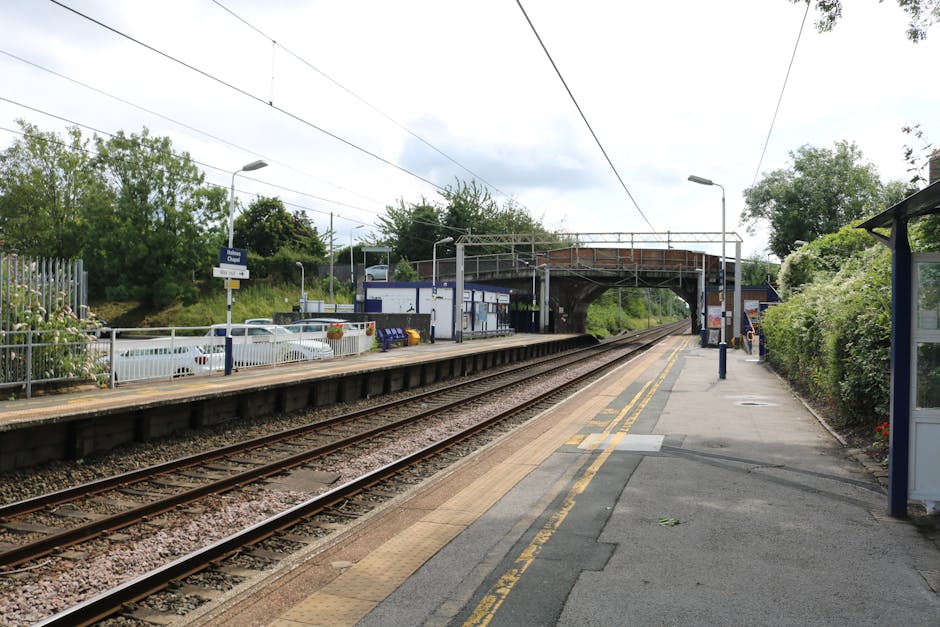
Totteridge & Whetstone station move access and lifts
Posted on 06/05/2026
Totteridge & Whetstone Station Move Access and Lifts: A Practical Guide for Easier Local Removals
Moving near a station sounds simple on paper. In real life, the details around access, lifts, tight entrances, platform proximity, and timing can turn a neat plan into a bit of a juggling act. If you're dealing with Totteridge & Whetstone station move access and lifts, the small stuff matters: whether a lift is in service, how far the walk is from the property, where a van can stop without causing a headache, and how to get furniture through without damage or stress.
This guide breaks it all down in plain English. You'll learn how station-side access affects moving day, how lifts change the workflow, what to check before the crew arrives, and which practical steps can save time, money, and a fair bit of frustration. We'll also cover useful local moving links, expert tips, common mistakes, and the best way to plan if you're moving a flat, student property, or family home around Totteridge & Whetstone.
To be fair, most moving problems aren't dramatic disasters. They're usually small friction points stacked on top of each other. A lift that's too narrow. A loading bay that's not where you expected. A sofa that looked fine in the hallway yesterday but somehow now feels twice as wide. This article is here to help you avoid that nonsense.
Why Totteridge & Whetstone station move access and lifts Matters
Totteridge & Whetstone sits in a part of North London where transport access and residential moving conditions can vary quite a lot from street to street. Station proximity can be convenient, but it can also mean busy roads, restricted stopping points, pedestrian traffic, narrow access routes, and time pressure around commuter flow. If your move involves a flat near the station, or you're using the station as a key landmark for directions and access planning, those details become central rather than minor.
Lift access matters because it changes the whole moving rhythm. A lift can reduce manual carrying, lower the risk of damage, and make heavier items far easier to manage. But lifts also bring questions: Is it a passenger lift or a service lift? Is there enough room for a mattress, a wardrobe, or a boxed TV? Will the lift protect the item during transit, or will the item be too bulky to turn inside? And perhaps the one question nobody likes on the day: is it actually working?
For families, students, or anyone moving into a flat above ground level, lift access can be the difference between a smooth two-hour process and a day that drags on into the evening. That's especially true in London, where parking, timing, and building access tend to be more restrictive than people expect. A well-planned move near Totteridge & Whetstone station is less about speed and more about sequence.
You'll also find that local moves around station areas often involve shared entrances, intercom systems, limited waiting space, or managed buildings. These are all manageable. They just need checking early. If you want broader planning help for a local relocation, it's worth looking at removals in Whetstone alongside specialist support such as flat removals in Whetstone when lift access is part of the picture.
How Totteridge & Whetstone station move access and lifts Works
In practical terms, this topic is about how you move goods safely and efficiently when the station area, nearby roads, and building features all influence access. It starts before moving day. A good mover or informed household will check three things: the route from vehicle to property, the vertical movement inside the building, and any restrictions that affect loading or unloading.
Think of it like a simple chain. If one link is awkward, the whole move slows down.
The access side usually includes:
- Where the van can stop safely and legally
- How far items need to be carried from the van to the entrance
- Whether steps, kerbs, or tight corridors create a carrying challenge
- Whether the property has secure entry systems or concierge procedures
The lift side usually includes:
- Lift size and internal dimensions
- Weight limits, where known
- Whether the lift is operational on the day
- Whether protective blankets or padding are needed inside the lift
- Whether bulky items are better carried by stairs after all
In a normal moving flow, the team may assess items first, then decide whether to split furniture, use protective wrapping, or prioritise lift trips for certain boxes. Items such as sofas, beds, wardrobes, and white goods often need the most attention. If you're preparing those pieces in advance, useful reading like this guide to moving beds and mattresses or advice on piano moving can help you understand why planning around access is not just a nice extra; it's essential.
One thing people often miss: station-area moves are not only about distance. A property may be close to Totteridge & Whetstone station, but if the road layout means the vehicle cannot stop directly outside, the practical workload rises quickly. In that case, a man with a van service or a more flexible removals team can be the sensible option. You can compare what fits your job by reviewing man with a van in Whetstone, man and van support, and removal van options.
Key Benefits and Practical Advantages
Good access planning and lift awareness deliver more than just convenience. They reduce the amount of improvisation needed on the day, and that's usually where things go wrong. Here's what you gain when you plan properly.
- Less lifting strain: A lift reduces the number of stair trips and helps protect both people and belongings.
- Lower damage risk: Clear routes and lift padding help prevent scuffs, knocks, and awkward turning accidents.
- Faster loading and unloading: If the route is predictable, the team can work in a cleaner rhythm.
- Better planning for fragile items: Mirrors, artwork, electronics, and flat-pack furniture all benefit from a controlled route.
- Fewer surprises: Knowing parking, entry, and lift details in advance avoids last-minute panic.
There's also a quieter benefit that people appreciate once the move is underway: mental relief. When you've already checked the access details, you are less likely to feel that creeping sense of "we've forgotten something." And moving day is hard enough without that little voice in your head, isn't it?
If you're tackling a larger home, the benefit multiplies. For example, a family move near the station may involve boxes, children's belongings, furniture, and a tight schedule around school runs or work commitments. In that setting, using house removals in Whetstone can make more sense than trying to piece it together yourself. For office or small business moves, the same logic applies; access and lift planning are what keep downtime down, so a look at office removals in Whetstone is worth it.
Expert summary: If the route from van to door is awkward or the lift is small, plan the move around those constraints rather than hoping to "work around them" on the day. That one adjustment saves time, labour, and a good deal of stress.
Who This Is For and When It Makes Sense
This kind of planning is most useful for anyone moving in or around apartment blocks, managed properties, or homes where access is not straightforward. But the need is especially strong in a station area, where the surroundings are more dynamic and the margins for error are smaller.
You'll benefit from this approach if you are:
- Moving into or out of a flat close to Totteridge & Whetstone station
- Using a lift for large or heavy furniture
- Managing a move with limited parking or strict building rules
- Moving solo and need a safer, more realistic plan
- Helping a student relocate with boxes, bags, and bulky items
- Handling a same-day move where timing is tight
Students in particular often underestimate how much access affects a move. A room may look "easy enough" until you're carrying two suitcases, a desk, a mattress topper, and a small mountain of boxes through a narrow communal entrance. If that sounds familiar, student removals in Whetstone can be a practical fit, especially if lift access is part of the job.
And sometimes the best decision is storage, not immediate movement of everything. If the new place is not ready, or lift access is temporarily unavailable, you may want to look at storage in Whetstone alongside the move plan. That can take the pressure off, truth be told, and it gives you breathing space to move in stages.
Step-by-Step Guidance
Here's a simple, practical process you can follow. Nothing fancy. Just a clear way to reduce friction.
- Check the access route. Walk it yourself if possible. Look at entrances, steps, door widths, intercoms, and any gate or key-fob system.
- Confirm lift details. Note whether there is a lift, how many floors it serves, and whether it is likely to fit larger items.
- Measure the awkward items. Sofas, beds, wardrobes, fridges, and desks are the usual troublemakers. Measure them properly. Don't guess.
- Plan the vehicle stopping point. Decide where the removal van can wait without causing issues. In London, this bit matters more than people think.
- Pack for the route, not just the box. Items that will travel through a lift need secure wrapping, stable box stacking, and careful labelling.
- Protect the building. Use blankets, floor protection, and corner guards if needed. Managed properties appreciate this, and so do neighbours.
- Sequence the move. Put the most awkward items first or last, depending on the route. Sometimes the big sofa should go before the many small boxes; sometimes the reverse is smarter.
- Recheck on the morning. Lifts can be out of service, access can change, and traffic near station roads can be different from what you expected yesterday.
A small but important tip: pack one "access essentials" bag with keys, phone charger, wipes, tape, snacks, and any building contact details. Sounds boring. It saves time. It also prevents the classic rummage through five boxes looking for the one thing you need right now.
For packing support, the packing guide for a hassle-free move is a useful companion piece, and if you're trying to reduce the amount you move in the first place, strategic decluttering tips can lighten the load before the van even arrives.
Expert Tips for Better Results
Access-aware moving is often about small decisions that pay off later. Here are the ones that regularly make a real difference.
- Measure doors and lift openings twice. Not because everyone is careless, but because one of those measurements is usually the one that reveals a problem.
- Check for removable parts. Table legs, bed frames, and appliance doors can make bulky items far easier to move.
- Use protective wraps early. Don't wait until you're in the hallway with a loose blanket and a wobbling item.
- Split loads by access difficulty. Keep lighter boxes for any staircase sections and reserve the lift for bulky or fragile pieces.
- Keep neighbours in mind. Station-area blocks are often busy. A calm, tidy move is always better than one that blocks the corridor for ages.
- Have a backup plan. If the lift fails, what then? Stair carry, partial disassembly, or a second trip? Decide in advance.
There's a human side to all of this too. A lot of moving stress comes from uncertainty, not workload. The more you clarify the route, the quieter the day becomes. That may sound obvious, but it really isn't when you're standing in a hall with a sofa, a friend, and a key that won't turn properly.
If you want to understand safe lifting and the body mechanics behind it, this guide to kinetic lifting is a smart read. For heavier one-off items, solo heavy lifting advice also gives helpful context on why technique matters.
Common Mistakes to Avoid
Most access problems are avoidable. The issue is usually that people assume they will sort themselves out on the day. They won't, not always.
- Assuming there is a usable lift. Some buildings have a lift, but it may be service-only, tiny, or temporarily out of action.
- Forgetting to ask about parking or stopping restrictions. A lift is no help if the van cannot get close enough.
- Not measuring furniture. "It fit last time" is not a measurement.
- Overpacking boxes. Heavy boxes become awkward in lifts and risky on thresholds.
- Leaving disassembly too late. If a wardrobe needs dismantling, do it before moving morning, not when the lift queue is forming.
- Ignoring building rules. Some blocks require booking lifts, signing in, or using specific entrances. Miss that, and the whole thing can stall.
One small mistake can create a chain reaction. A late start becomes a delayed van slot. A delayed van slot becomes extra costs. Then everyone gets a bit twitchy and somebody says, "It'll be fine." Famous last words, usually.
For better control, consider pairing your move plan with a local service that understands the area. Removal services in Whetstone can be a better fit than a generic one-size-fits-all approach, especially if access needs are a real factor.
Tools, Resources and Recommendations
You do not need a warehouse full of kit. You do need the right basics. A small toolkit saves a lot of unnecessary improvising.
| Tool or Resource | Why it Helps | Best Used For |
|---|---|---|
| Measuring tape | Confirms doorways, furniture size, and lift clearances | Planning bulky item moves |
| Furniture blankets | Protects walls, lift interiors, and fragile surfaces | Apartment blocks and managed buildings |
| Tape and labels | Keeps boxes sealed and rooms organised | Packing and unpacking |
| Straps or webbing | Stabilises awkward loads | Sofas, appliances, and long items |
| Floor protectors | Reduces scuffs in corridors and entrances | Properties with delicate flooring |
| Building contact details | Speeds up problem-solving if access changes | Managed flats and shared entrances |
On the service side, it often helps to compare options before you commit. If you need a more hands-on moving day, furniture removals in Whetstone can support larger items. If you want something more flexible and personal, man and van in Whetstone is often a practical middle ground. For straightforward local quotes, you can also review pricing and quotes so you know what to expect before booking.
And if the move is tied to cleaning, decluttering, or seasonal storage, the wider planning pieces matter too. A pre-move clean from our pre-move cleaning guide and careful storage planning from this sofa storage article can both save headaches later.
Law, Compliance, Standards, or Best Practice
For residential moves, the main compliance concerns are usually practical rather than legalistic. That said, there are still clear expectations around health and safety, access management, and responsible handling of property. In the UK, moving teams are generally expected to work in a way that reduces avoidable risk to people, property, and the public. For the customer, that means choosing a mover who takes access planning seriously and follows sensible safety procedures.
In buildings with lifts, best practice often includes:
- Checking whether the lift can be booked or reserved
- Using blankets or padding where appropriate
- Avoiding overload and respecting weight limits where known
- Keeping corridors, stairs, and exits clear
- Communicating with building management if required
Health and safety matters as much in a small flat move as it does in a larger relocation. If you want reassurance on how a moving company approaches this, review the site's health and safety policy and insurance and safety information. For customers who value transparency and broader trust markers, the accessibility statement and terms and conditions are also worth a look.
Best practice is simple: don't force items through spaces they clearly do not fit, and don't treat a lift like a shortcut if it is unsafe or unsuitable for the load. A careful move is almost always the efficient one in the end. Sounds dull, but that's the truth of it.
Options, Methods, or Comparison Table
There are several ways to handle a move around Totteridge & Whetstone station. The best option depends on how much furniture you have, how tight the access is, and how much time you want to spend on it yourself.
| Option | Best For | Pros | Trade-offs |
|---|---|---|---|
| Man and van | Smaller local moves, student jobs, single-room relocations | Flexible, efficient, often simple to organise | May require more self-packing and coordination |
| Full removals service | Whole-house or flat moves with furniture and many boxes | More support, better for complex access, less lifting stress | Usually more involved to arrange |
| Same-day removals | Urgent moves, late changes, or short-notice issues | Fast response, practical for time-sensitive situations | Less time for preparation, so access details must be clear |
| Storage plus staged move | Moves with delayed completion or access problems | Reduces pressure, gives breathing space | Requires two-step planning |
If your property is a flat near the station with a lift, a flat removal specialist is often the most fitting route. If the move is urgent and the access window is short, same-day removals in Whetstone may be the right safety valve. For bigger homes or layered moves, house removals usually give the most complete support.
Case Study or Real-World Example
Here's a realistic scenario. A couple is moving from a second-floor flat a short walk from Totteridge & Whetstone station into a new property nearby. The building has a lift, but it is small, and the van cannot stop directly outside because of traffic flow and local restrictions. They also have one awkward sofa, a bed frame, several book boxes, and a large mirror.
What goes well in this kind of move? Planning.
They measure the sofa and lift opening ahead of time. They check with building management about lift use. They pack books into smaller boxes rather than huge heavy ones. They dismantle the bed frame before moving morning. The mirror is wrapped properly and kept upright. The van parks where it can, and the final carry is shorter than expected because they've picked the right route.
What would have caused trouble? Probably the sofa. Maybe the lift. Definitely the overfilled boxes. If they had simply arrived and hoped for the best, the move would have been slower, and someone would have ended up doing three extra trips that nobody planned for.
This is where local know-how matters. A team familiar with Whetstone streets and station-area access can spot the likely friction points before they become problems. If you are moving a single difficult item, the same principle applies; piano removals in Whetstone show how specialist handling becomes useful when access is tight and the item is unforgiving.
Little story, really, but it captures the point: most smooth moves are not lucky. They're prepared.
Practical Checklist
Use this before moving day. It's simple, and that's the point.
- Measure the furniture that needs to pass through doors or lifts
- Confirm whether the lift is operational and suitable for your items
- Ask about parking, stopping, or loading restrictions near the station
- Check building entry instructions, fobs, codes, or concierge arrangements
- Protect walls, floors, corners, and the lift interior where required
- Pack heavy items into manageable boxes
- Disassemble large furniture if it will not safely fit through access routes
- Keep essential documents, keys, and chargers in one easy-to-reach bag
- Share access notes with your removals team in advance
- Have a backup plan if the lift is unavailable on the day
If you need supplies, the packing and boxes service in Whetstone can make the prep side easier, and if your move involves items going into storage for a while, remember that secure storage in Whetstone can reduce pressure considerably.
Conclusion
Totteridge & Whetstone station move access and lifts planning is really about reducing friction before it has a chance to build. When you understand the route, the lift, the parking, and the building rules, moving day becomes more predictable. Not perfect. Few moves are. But predictable enough to stay calm, keep things safe, and get the job done properly.
The station area can be a great place to move through efficiently, provided you respect the practical realities of local access. Measure carefully, communicate clearly, and choose the level of support that matches the property and the items you're moving. That way, you're not just moving stuff; you're moving with a bit of control, which makes a world of difference.
If you want help turning the plan into a smoother day, speak to a local removals team that understands station-area access, lift use, and the realities of North London properties.
Get a free quote today and see how much you can save.